
Low Testosterone
Low testosterone (Low T) is common, and gets more common with age as our hormone levels naturally decline. Low T symptoms include:
-
— Low energy, fatigue
— Low motivation, focus, drive, concentration
— Low confidence, low resilience
— Low sex drive, weak erections, ED
— Muscle loss, difficulty gaining muscle
— Low endurance, slow recovery
— Weight gain, low metabolism
— Irritable, depressed, or anxious mood
— Decreased sense of wellbeing and enjoyment of life
The good news is low testosterone is treatable, and treatment can be life-changing.


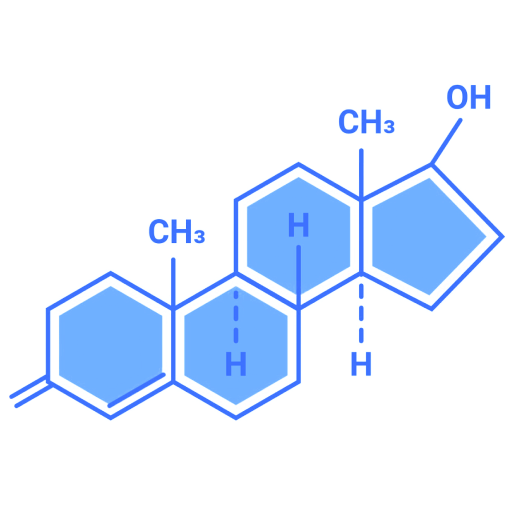

Benefits Of Testosterone Replacement
-
 Increased Energy
Feel more energy throughout the day. Say goodbye to afternoon slumps, daytime naps, and constant fatigue.
-
Improved Motivation & Focus
Regain your motivation for work and life. Enjoy improved concentration and sharper focus.
-
Enhanced Libido & Performance
Rev up your sex drive and enjoy better performance with stronger, longer-lasting erections.
-
Gain Muscle & Boost Metabolism
Build and maintain lean muscle mass, boost your metabolism, and maintain a healthier body weight.
-
Better Sleep
Enjoy deeper, more restful sleep and wake up feeling refreshed and ready to take on the day.
-
Better Mood & Well-Being
Relieve symptoms of depression, anxiety, and irritability. Feel more confident, resilient, and satisfied with life.


Indications for Testosterone Replacement
The determination of whether you are a candidate for TRT requires an assessment by a qualified healthcare provider to evaluate your symptoms, and a blood test to measure your testosterone.
The normal testosterone range in men is considered to be 300-1000ng/dL, but this is an arbitrary range based on population studies, not on what is ideal for men to feel and function their best.
Our approach is to treat men based primarily on their symptoms, not their blood levels. In our experience, men frequently have symptoms of low testosterone at levels <300ng/dL, but also can have symptoms of Low T at levels up to 500-600ng/dL.


Testosterone Replacement Options

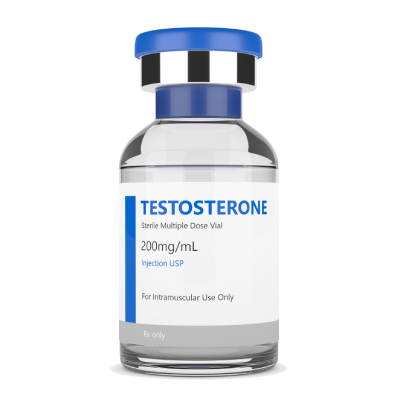
Testosterone
Bioidentical testosterone in injection form is the most common type of testosterone therapy used, because of consistent and reliable results. More than 90% of TRT patients use injectable testosterone. Less commonly used formulations include topical, pellet, and oral.

Enclomiphene
Enclomiphene (and clomiphene) is a SERM (selective estrogen receptor modulator) that stimulates the body to produce more testosterone on its own. Enclomiphene is less reliable than testosterone, but can be an ideal choice in younger men.

Testosterone + Enclomiphene
The combination of testosterone and enclomiphene can maximize the benefits and minimize the drawbacks of each. Get consistent and reliable results, and maintain your own testosterone production, preserve fertility, and prevent testicular shrinkage.
Comparison of Treatment Modalities
Have Questions? We’ve Got Answers
In men, testosterone is typically administered as a weekly injection in the muscle of the butt, thigh, or arm. Injections result in excellent testosterone blood levels and symptom resolution, and this is the way more than 90% of men get their testosterone. We will teach you how to do injections at home, or you can come to the office for your injections. Testosterone can also be administered in topical form, but absorption and symptom resolution is more variable.
Yes. To be a candidate for testosterone replacement therapy, you need to have symptoms consistent with low testosterone, and a blood test that shows low testosterone. We also have to make sure your PSA and hematocrit aren’t elevated. We perform these tests for free in the office (testosterone, PSA, hematocrit). If you are a candidate for treatment, we can start testosterone in the office that day.
You may feel a change within the first week, but it can take 3-6 months to feel the full effects of testosterone replacement. Often the first changes men feel are an increase in libido and energy.
No. There is no evidence that testosterone replacement therapy increases the risk for either prostate cancer or cardiovascular disease.
Yes! Bioidentical hormones are molecularly the same as the hormones your body normally makes, and therefore function exactly the same as your normal hormones. Pharmaceutical companies make altered version of hormones (so they can patent them), but they don’t work in the same way as your body’s normal hormones. Mother Nature has provided us with the ideal hormones, and pharmaceutical companies, unsurprisingly, have not been able to improve upon them.
Side effects can occur if testosterone levels become too high. Possible side effects include elevated hematocrit, acne, oily skin, male pattern hair loss, nipple pain, and aggression. Testosterone also reduces sperm count and fertility, and can cause testicular shrinkage. If men want fertility within 6-12 months, testosterone shouldn’t be started, and enclomiphene or clomiphene should be considered instead.
Our goal is to resolve your symptoms of low testosterone to get you feeling like your younger self again, without causing side effects. Generally this means getting your testosterone level into the top third of the normal range.


Are You Ready To Live Better?
Meet with David Oliak, MD, or Allison Mollet, PA, for a free consult and in-office testosterone test to see if testosterone or enclomiphene is right for you.


Real Patients, Real Results"I'm in my 20's, so I never thought my testosterone…"
View full testimonial“I’m in my 20’s, so I never thought my testosterone would be low. I struggled with depression, lack of motivation, poor sleep, and weight gain and my doctor suggested I have it tested along with my other yearly labs. Surprisingly, my T was very low but my insurance would not cover the testosterone he prescribed. I went to MD Total Wellness and they were great. They explained everything about my condition and options. Super easy to get appointments and affordable. I had no idea how “normal” guys my age feel until now! My workouts are better and my sleep is better. And my depression and anxiety are gone. This completely changed my life. Game changer!”
Disclaimer: photo is a stock image to protect patient privacy, testimonial is from an actual MDTW patient. Results may vary.



Real Patients, Real Results"I've been interested in the GLP-1 medications for…"
View full testimonial“I’ve been interested in the GLP-1 medications for weight loss for the last couple years. It is appealing to me how they work, by lowering hunger and appetite. After talking to Alli, I decided on tirzepatide because the weight loss results are better. My goal was to lose 20 pounds, and I’m currently down 15 pounds after 6 weeks! It’s a remarkable medication that has drastically decreased my hunger, appetite, and interest in food. It has also decreased my interest in alcohol. I’ve been tracking my calories and keeping it at 1300-1500. Normally that would be extremely difficult, but on tirzepatide it is very easy. I’ve had some mild side effects, including some nausea and abdominal discomfort when I first started, and diarrhea for a day when I increased my dose the 2nd month. Overall, I’m extremely happy with how well tirzepatide is working for me.”
Disclaimer: photo is a stock image to protect patient privacy, testimonial is from an actual MDTW patient. Results may vary.


Real Patients, Real Results"Ever since I turned 50, I've felt…"
View full testimonial“Ever since I turned 50, I’ve felt some changes that I thought could be from lower testosterone. About 3-4 years ago, I talked to my primary care doctor about it, and he checked my testosterone level and told me it was normal. Over the next couple years I continued to have symptoms, which included low energy, low motivation, decreased libido, fatigue, and mildy depressed mood. Nothing major, but distinctly different than how I felt 10-15 years ago. I am a doctor, and my research seemed to suggest that my symptoms could be low testosterone, but my levels weren’t so abnormally low to warrant a diagnosis of hypogonadism. I went to a men’s health clinic (I’ve subsequently switched to MDTW) last year and got my testosterone level measured at 520. The normal range is 300-1000, but it normally goes down a little every year after 40 years old. Maybe my level was 800 when I was 35, and the decrease to the low 500’s has resulted in the symptoms I had. I felt that my body already makes testosterone, and it used to make more, so taking testosterone to increase my level back to where it was when I was younger is a very reasonable thing to try. I’ve now been on testosterone for 6 months, and I love it! I’ve noticed definite improvements in my energy, endurance, libido, sexual function, mood, and resilience. I also think my hair and skin look healthier and younger. Testosterone has definitely improved my life. I think I will almost certainly be on testosterone for the rest of my life!”
Disclaimer: photo is a stock image to protect patient privacy, testimonial is from an actual MDTW patient. Results may vary.