



Semax and Selank are peptides studied for focus, mood, and anxiety. They are also the least-studied peptides we offer, and a complaint like anxiety or brain fog usually deserves a workup before a peptide. This page explains what each does, where the evidence stands, our view on using them, and how we approach them.

Reviewed by Dr. David Oliak, board-certified surgeon
Updated August 2026
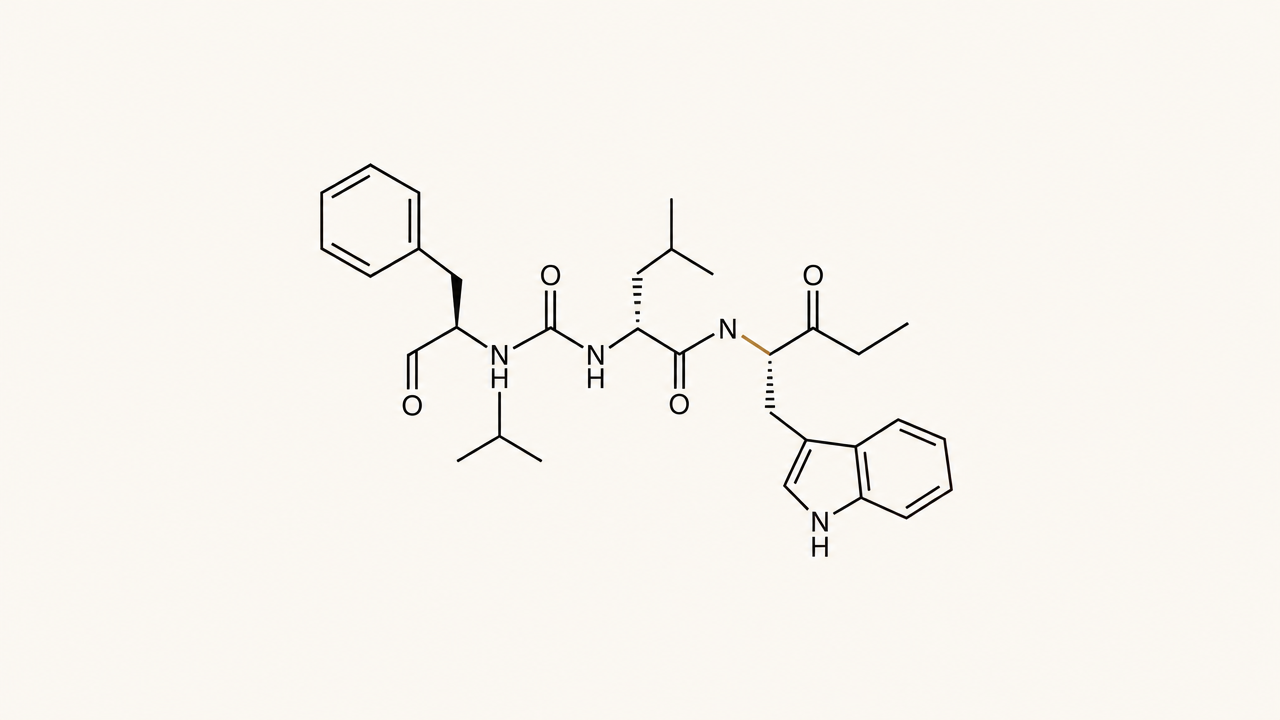
Semax and Selank are synthetic peptides developed in Russia in the 1980s and 1990s and used there for cognitive and anxiety-related indications.
Semax is derived from a fragment of adrenocorticotropic hormone (ACTH) and is studied mainly for focus, mental clarity, and neuroprotection.
Selank is derived from tuftsin, an immune-signaling peptide, and is studied mainly for a calming, anti-anxiety effect without the sedation or dependence associated with medications like benzodiazepines.
Both were developed within the Russian research system rather than through Western drug trials, which is much of why their evidence base looks the way it does. Both are prescribed off-label in the United States.
The aim is modest and felt — sharper focus with Semax, a calmer baseline with Selank — in someone for whom the more common, treatable causes of these symptoms have been considered first.
Semax is studied for attention, mental clarity, and resistance to mental fatigue, and in research has been associated with effects on brain-derived neurotrophic factor (BDNF) and neuroprotection. Most of that work is Russian and preclinical. In practice it is the more "daytime, focus" of the two.
Selank is studied for anxiety and stress, with research suggesting effects on GABA signaling and on serotonin and dopamine balance. It is described as calming without sedation, and it is not a controlled substance and not known to be habit-forming.
As with Semax, the evidence base is largely Russian and preclinical. In practice it is the more "calm, anti-anxiety" of the two.
Both peptides sit at the low-evidence end of what we offer.
There is no biomarker to measure a response against — with a peptide like tesamorelin we can check IGF-1, but here we rely on how a person feels. In our own practice, results are mixed: some patients respond well, others notice little, roughly evenly split.
Both are non-habit-forming and have a reassuring safety profile, so for an appropriate patient — after the workup below — they can be reasonable to try.
Our verdict: a complaint of anxiety, low mood, or brain fog is a reason to look, not simply to prescribe.
Sleep problems, thyroid disease, low B12, anemia, and depression all produce these symptoms, and each is treatable at the root. So we work through that differential before reaching for a peptide, because the worst outcome here is quieting a symptom that was pointing at a diagnosable, more important problem.
When Semax or Selank is appropriate, it is as a considered addition within a plan, not a first move. The evidence is the thinnest of any peptide we offer, and our own results with it are mixed — helpful for some, unremarkable for others.
What makes it reasonable to try, for the right patient, is that both are non-habit-forming and well tolerated, and we keep the plan conservative because there is no lab to titrate to.
— Dr. David Oliak, board-certified physician and surgeon
Semax and Selank are prescribed after a consultation that includes a screen for the treatable causes above; where a complaint warrants it, we evaluate before we prescribe.
Because there is no biomarker to titrate to, we do not chase higher doses on the assumption that "more is better." We judge by your response and keep the plan conservative.
With any injected peptide, the source is a safety issue, not a detail. We prescribe compounded, human-use Semax and Selank through a licensed pharmacy, not research-only material sold online, which is labeled not for human use and produced without a regulatory framework to confirm its contents or purity.
Reported side effects are generally mild and can include injection-site reactions. Semax and Selank are not appropriate as a substitute for care of a diagnosed mental-health condition, and they are prescribed off-label, under supervision. Neither is FDA-approved. Why "research use only" peptides are a problem →
Let's begin
Because symptoms of anxiety and poor focus have many causes, we begin with a consultation, and where warranted an evaluation, before considering Semax or Selank. Book a peptide consult, or start with a comprehensive evaluation. To speak with us first, call 714-671-2005.
Why "research use only" peptides are a problem
Wolverine (BPC-157 / TB-500)
GHK-Cu
What a comprehensive evaluation includes