



NAD+ is a coenzyme central to how your cells make energy, and its levels fall with age. Patients use NAD+ therapy to feel better — more energy, clearer thinking, easier recovery. This page explains what it is, where the evidence stands, our view on using it, and how we prescribe it.
Reviewed by Dr. David Oliak, board-certified surgeon
Updated August 2026
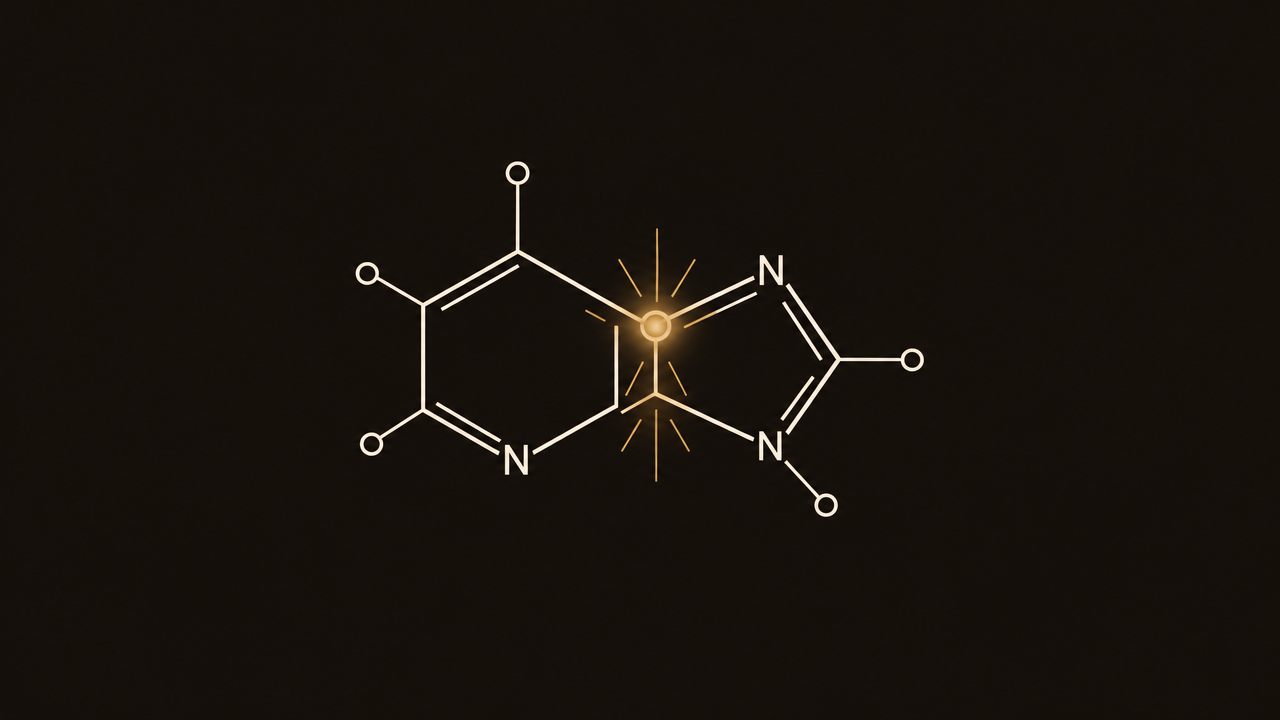
NAD+ (nicotinamide adenine dinucleotide) is a coenzyme present in every cell, essential to energy metabolism, DNA repair, and a wide range of cellular processes.
First identified in the early twentieth century — originally described as a "cozymase" in fermentation research — it has been studied ever since as one of the most fundamental molecules in cellular energy.
Its levels decline meaningfully with age, which is why it has drawn so much interest as something worth replenishing.
Patients pursue NAD+ therapy for more energy, sharper mental clarity, and better recovery, and many describe a general sense of vitality. These are the experiences people report, and they are worth taking seriously. They are also, by their nature, felt rather than measured, which shapes how we prescribe and follow the therapy.
NAD+ is a coenzyme the body uses to convert nutrients into cellular energy and to run repair processes; it is a working part of metabolism in every cell, not a hormone or a stimulant.
Because levels fall with age, the rationale for therapy is replenishment — restoring a molecule the body already depends on and makes less of over time. What replenishing it produces in how a person feels is where evidence, rather than mechanism, has to do the work.
Where the evidence stands for NAD+.
The biology is not in question: NAD+ is essential and declines with age. What is still limited is human trial evidence that supplementing it produces dramatic, lasting benefits, and there is no biomarker to confirm what a course did for you — unlike IGF-1 for growth-hormone peptides.
In our own practice, patients on NAD+ most often report improved energy, and it is generally well received.
Our verdict: NAD+ is real, important biology, and its decline with age is well documented. What we cannot do is measure whether a course of it changed anything for you, because there is no lab for that. So we judge it, as we do several worthwhile therapies, by how you feel.
In our practice, most patients report better energy, which is a legitimate result. We prescribe it while being clear about its limits.
We do not promise outcomes such as reversing aging that the evidence does not support, and we use it as one targeted tool within a considered plan rather than a standalone fix.
We also look first for a treatable cause of fatigue or brain fog before reaching for it.
— Dr. David Oliak, board-certified physician and surgeon
We provide NAD+ by subcutaneous injection, which you can do at home, rather than as an in-office IV drip. Dosing starts low and is adjusted by tolerance.
NAD+ commonly causes flushing, warmth, or mild nausea when it enters the body too quickly, so a lower dose given slowly limits this. Your provider will set a starting dose and adjust it with you.
You may see NAD+ marketed as "biofermented" versus "synthetic."
The molecule is the same either way; the difference is how it is manufactured and its purity profile, not a proven difference in how it works in your body.
We use biofermented for its cleaner purity profile — a quality preference, not a claim that one form outperforms the other. Choose on purity, not on a promise that one works better.
With any injected product, the source is a safety issue, not a detail. We use compounded, human-use NAD+ from a licensed pharmacy, not research-only material sold online, which is labeled not for human use and produced without a regulatory framework to confirm its contents or purity.
The most common effects are flushing, warmth, and nausea, all reduced by lower, slower dosing. NAD+ is not FDA-approved, and it is not a substitute for evaluating a real, treatable cause of fatigue or brain fog, which we would look for first. Why "research use only" products are a problem →
Let's begin
If you are considering NAD+, we will talk through what it can and cannot do and whether it fits your goals as one part of a considered plan. We will look first for any treatable cause of low energy.
Book a peptide consult for a targeted goal, or start with a comprehensive evaluation when you want the fuller picture first. To ask questions, call 714-671-2005.
Peptide therapy overview
Why "research use only" products are a problem
What a comprehensive evaluation includes